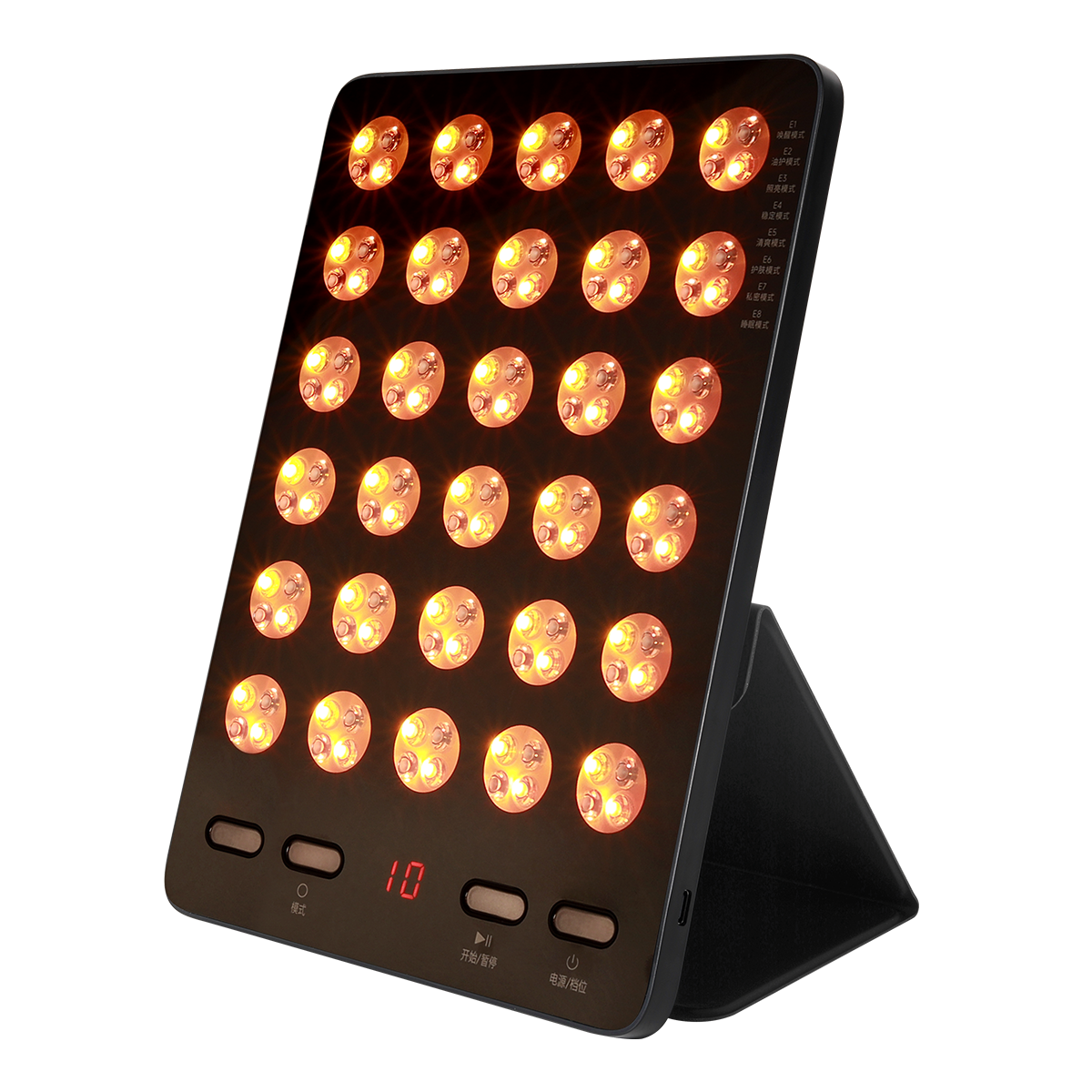
Does LED Light Therapy Really Work? What Science Actually Says in 2026
LED light therapy has exploded in popularity over the past few years. From red light masks and large therapy panels to expensive spa treatments, brands promise brighter skin, fewer wrinkles, and a more youthful appearance. But does LED light therapy actually work, or is it just another beauty trend?
The short answer is yes—but with some important limitations.
The science behind LED light therapy is real, but the results are often more modest than marketing claims suggest.
__________________________________________________________________________________
What Is LED Light Therapy?
LED Light Therapy, also known as Photobiomodulation (PBM) or Low-Level Light Therapy (LLLT), uses specific wavelengths of light to stimulate biological processes in the skin.
Unlike lasers, LED therapy is:
- Non-invasive
- Painless
- Generates little heat
- Suitable for regular home use
Different wavelengths penetrate the skin at different depths and produce different effects.
| Light Color | Wavelength | Potential Benefits |
|---|---|---|
| Blue Light | 405-470 nm | Helps reduce acne-causing bacteria |
| Red Light | 620-660 nm | Supports collagen production and skin rejuvenation |
| Near-Infrared Light | 810-850 nm | Promotes tissue repair and reduces inflammation |
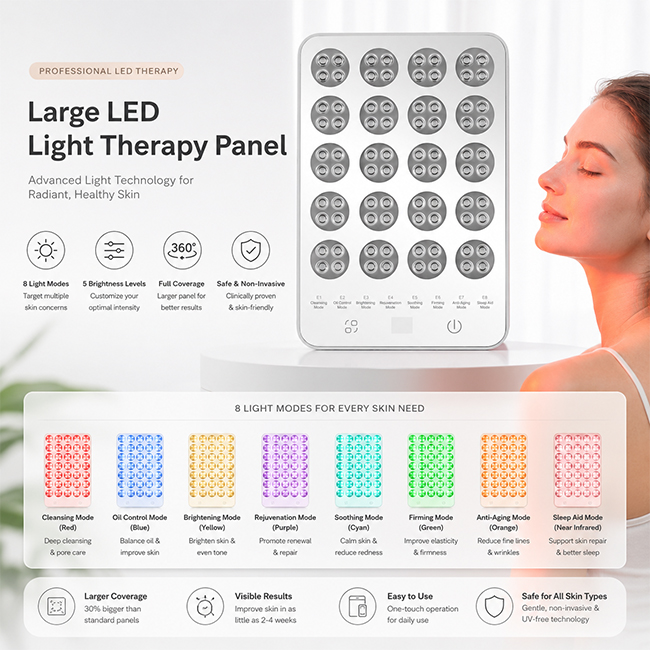
How Does LED Light Therapy Work?
At the cellular level, red and near-infrared light interact with the mitochondria, often called the powerhouse of the cell.
Scientists believe these wavelengths stimulate an enzyme called Cytochrome C Oxidase, which may increase the production of:
- ATP (cellular energy)
- Antioxidant activity
- Blood circulation
- Cellular repair processes
Think of it like giving your skin cells a little more energy to perform their natural functions more efficiently.
LED therapy doesn’t magically erase wrinkles overnight. Instead, it supports the skin’s own repair mechanisms over time.
What Does Science Actually Say?
1. Fine Lines and Skin Rejuvenation
Several clinical studies have shown that red LED therapy can improve:
- Skin texture
- Skin elasticity
- Fine lines and wrinkles
A randomized controlled study published in Photomedicine and Laser Surgery found that participants receiving red and near-infrared light treatments experienced measurable improvements in complexion, collagen density, and skin smoothness after several weeks of treatment.
Scientific Verdict:
Moderate evidence supports its use for skin rejuvenation.
2. Acne and Breakouts
Blue light therapy has been widely studied for acne treatment.
Blue light around 415 nm may help reduce acne by targeting bacteria associated with breakouts.
Red light may also help reduce inflammation and support healing.
Many dermatology clinics use a combination of blue and red light therapy for mild to moderate acne.
Scientific Verdict:
Strong evidence supports LED therapy as an adjunct treatment for acne.
3. Skin Recovery and Inflammation
Research suggests that red and near-infrared light may help:
- Reduce inflammation
- Improve skin recovery
- Support wound healing
This technology has even been investigated by NASA for tissue repair and recovery applications.
Scientific Verdict:
Good evidence exists for tissue repair and inflammation reduction.
4. Better Sleep and Wellness
Some users report improved sleep and relaxation after regular red light therapy sessions.
However, research in this area is still emerging.
Scientific Verdict:
Promising but currently limited evidence.
Why Do Some People See No Results?
This is where many consumers become disappointed.
Not all LED devices are created equal.
1. Incorrect Wavelengths
The most researched wavelengths are:
- 630 nm
- 660 nm
- 810 nm
- 830 nm
- 850 nm
Some inexpensive devices do not deliver these wavelengths accurately.
2. Insufficient Power Output
Many clinical studies use significantly higher irradiance than low-cost consumer products.
A weak device may require much longer treatment times to produce noticeable effects.
3. Inconsistent Use
Most studies involve:
- 3-5 sessions per week
- 10-20 minutes per session
- Consistent use for 8-12 weeks
Using an LED device for a few days is unlikely to produce visible improvements.
4. Unrealistic Expectations
LED light therapy is often marketed as a miracle anti-ageing treatment.
It is not.
LED therapy may help improve:
- Skin radiance
- The appearance of fine lines
- Skin texture
- Skin firmness
- Overall skin health It will not:
- Replace cosmetic procedures
- Deliver overnight transformations
- Eliminate deep wrinkles instantly
- Permanently cure acne
Who Can Benefit Most?
LED light therapy may be suitable for:
- Adults concerned about early signs of ageing
- People with dull or tired-looking skin
- Individuals with mild acne concerns
- Those looking for a non-invasive skincare routine
- Users seeking support for skin recovery
Who Should Be Cautious?
Consult a healthcare professional before use if you:
- Have photosensitivity disorders
- Take medications that increase light sensitivity
- Have epilepsy triggered by flashing lights
- Are pregnant or have specific medical concerns
Is LED Light Therapy Worth It?
The answer depends on your expectations.
If you expect dramatic changes after a few sessions, you may be disappointed.
If you view LED therapy as a long-term skincare habit, similar to exercise or a healthy diet, the technology has credible scientific support and may deliver meaningful improvements over time.
Final Verdict
Does LED Light Therapy Really Work?
Yes.
Scientific evidence suggests that properly designed LED light therapy devices can help improve the appearance of skin, reduce inflammation, and support overall skin health.
However, LED therapy is not magic.
The best results come from:
- Appropriate wavelengths
- Adequate power output
- Consistent use
- Realistic expectations
- In skincare, there are very few shortcuts.
LED light therapy isn’t a miracle—but it may be one of the few beauty technologies that actually has science behind it.
Disclaimer
This article is for informational purposes only and does not constitute medical advice. Results may vary depending on individual skin conditions and device specifications.